When the power goes out, the best home portable power station for emergency backup can keep essentials running without the noise, fumes, or maintenance of a fuel generator.
Below, we focus on practical outage performance, battery technology, charging speed, and everyday usability so you can choose the right backup solution with confidence.
Best 10 Home Portable Power Station for Emergency Backup Picks for 2026
Home-Ready Backup
Jackery HomePower 3000 Portable Power Station

- 3600W output and 3072Wh capacity
- <20ms UPS for critical devices
- 4,000-cycle LiFePO4 battery
Best For: Families needing dependable emergency backup for essential appliances
Compact Storm Backup
BLUETTI Elite 30 V2 Portable Power Station

- 9.4-pound portable design
- 600W output with 1500W lifting mode
- 10ms UPS and fast wall charging
Best For: Lightweight emergency backup for small essentials and sensitive electronics
Expandable Whole-Home Backup
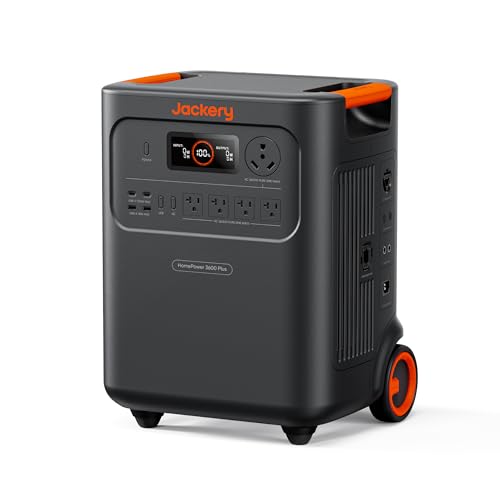
- 3600W AC output with 7200W parallel
- 3584Wh capacity expandable to 21kWh
- 120V and 240V support with wheels
Best For: Homeowners needing expandable backup for larger appliances and longer outages
Budget Backup Pick
LIBRIDS Portable Power Station C600

- 640Wh LiFePO4 battery
- 10ms UPS and 1200W surge
- 1.5-hour fast AC charging
Best For: Compact emergency backup for routers, CPAP machines, and small appliances
Home-Backup Workhorse
Anker SOLIX S2000 Portable Power Station
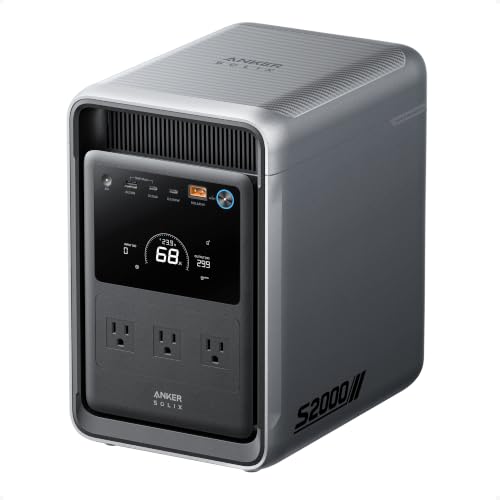
- 2,010Wh LFP battery with 10,000-cycle rating
- Up to 35-hour fridge backup
- 1,500W output with 3,000W peak
Best For: long outages and essential home backup
Fast-Charge Emergency Pick

- One-hour emergency charging via app
- 1,500W AC output with 3,000W surge
- 23.8 lb portable LFP design
Best For: quick-recovery backup and easy portability
Compact High-Output Choice

- 1,800W output with 2,400W surge
- 80% charge in 43 minutes
- 1,056Wh LiFePO4 battery with 10-year lifespan
Best For: compact emergency backup with fast recharge
Compact Emergency Backup
Anker SOLIX C300, 288Wh Portable Power Station

- 288Wh LiFePO4 battery with 300W output
- 8 ports for phones, laptops, cameras, and more
- Fast recharge options plus 25dB quiet operation
Best For: Compact backup for smaller essentials and portable use
High-Power Home Backup
EcoFlow DELTA 3 Classic 1024Wh
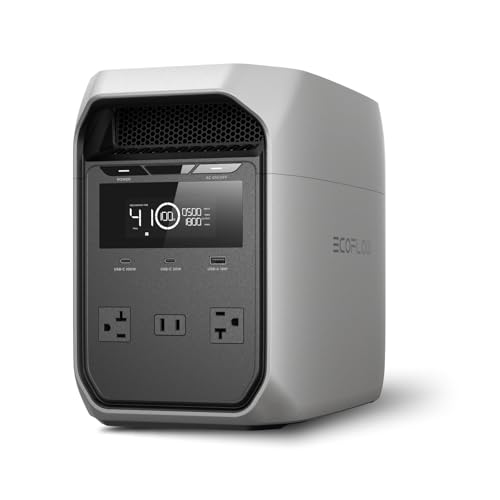
- 1800W output with 3600W surge support
- Charges to 80% in 45 minutes via AC
- <10ms UPS helps protect sensitive devices
Best For: Higher-output backup for appliances and critical electronics
Fast-Charge Home Backup
Anker SOLIX C1000 Gen 2 1024Wh

- 2,000W output with 3,000W peak
- Fully recharges in 49 minutes with HyperFlash
- 10 ms UPS and 10-device support
Best For: Fast, portable backup for higher-demand essentials
Home-Ready Backup – Jackery HomePower 3000 Portable Power Station
If you want a home portable power station for emergency backup that can handle the basics without feeling underpowered, the Jackery HomePower 3000 is built for that role. With 3600W output, 3072Wh capacity, and <20ms UPS switchover, it’s aimed at keeping essentials like a fridge, WiFi router, lights, security cameras, and medical devices running through outages.
Best For: Households that want a high-capacity backup unit for essential home appliances, fast UPS protection, and flexible charging options.
Pros:
- 3600W output with 7200W surge for demanding home essentials.
- <20ms UPS helps keep sensitive devices running during outages.
- 3072Wh LiFePO4 battery is rated for 4,000 cycles and long-term use.
- Multiple charging paths, including hybrid AC/DC, AC, solar, car, and gas generator.
Cons:
- Solar panels are optional and sold separately.
- At 59.5 pounds, it is portable but still a substantial unit.
- Best suited to backup essentials rather than whole-home expansion.
Overall, this is a strong pick if you want serious emergency backup power with fast recovery charging and enough output for common household loads. Its balance of capacity, UPS speed, and portability makes it especially practical for storm prep and outage planning.
Compact Storm Backup – BLUETTI Elite 30 V2 Portable Power Station
The BLUETTI Elite 30 V2 is a compact home portable power station for emergency backup when you want something light, fast-charging, and easy to move. Its 288Wh LiFePO4 battery, 600W output, 1500W Power Lifting Mode, and 10ms UPS make it useful for routers, laptops, CPAP machines, and other smaller essentials during winter storms or blackouts.
Best For: Anyone who wants a lightweight backup power station for short outages, sensitive electronics, and grab-and-go emergency use.
Pros:
- Only 9.4 pounds, making it easy to carry during storms or travel.
- 10ms UPS helps protect devices like routers, laptops, and CPAP machines.
- 380W wall charging can reach 0-80% in 45 minutes.
- 8 charging modes add flexibility for home, car, and solar use.
Cons:
- 288Wh capacity is much smaller than larger home-backup models.
- 600W continuous output limits heavier appliances.
- Best for essentials, not extended whole-home backup.
For buyers prioritizing portability and quick recharge times over maximum runtime, this model makes a lot of sense. It is a practical emergency backup option for keeping small but critical devices powered without taking up much space.
Expandable Whole-Home Backup – Jackery HomePower 3600 Plus
If you need a home portable power station for emergency backup that can scale beyond basic essentials, the Jackery HomePower 3600 Plus is built for heavier household loads. It delivers 3600W AC output, 3584Wh capacity, and dual-voltage support, with expansion up to 21kWh per unit for longer outages and more demanding home use.
Best For: Homeowners who want expandable backup power for large appliances, longer outages, and easier plug-and-play setup.
Pros:
- 3600W output with 7200W in parallel for larger loads.
- 3584Wh capacity can expand up to 21kWh per unit.
- Dual voltage support includes 120V and 240V in parallel.
- Wheel-and-handle design improves portability for a unit this size.
Cons:
- At 77.2 pounds, it is heavy compared with compact portable stations.
- Solar panels are optional and not included.
- Higher-capacity backup will take more space than smaller models.
This is the most future-ready option in the group if you want serious backup capacity with room to expand. The combination of plug-and-play use, big output, and long-cycle LFP construction makes it a strong long-term outage solution.
Budget Backup Pick – LIBRIDS Portable Power Station C600
The LIBRIDS C600 is a practical home portable power station for emergency backup if you want a simpler, mid-capacity unit for routers, CPAP machines, and other everyday essentials. With 640Wh capacity, 600W output, 1200W surge power, and a 10ms UPS, it is designed to keep small critical loads running through outages.
Best For: Buyers who want a compact backup station with UPS protection and enough capacity for everyday emergency essentials.
Pros:
- 640Wh LiFePO4 battery offers a solid middle-ground capacity.
- 10ms UPS automatically switches to battery during outages.
- Four AC outlets and 8 total ports support multiple devices.
- 1.5-hour AC charging gets it ready quickly for the next outage.
Cons:
- 600W output is not enough for large appliances.
- Indoor-use warning means it should not be exposed to rain or moisture.
- Best used for essentials rather than extended high-wattage backup.
This model fits well if your backup plan is centered on small but important devices and you want fast recharge times. It offers a useful mix of portability, UPS support, and LiFePO4 durability without moving into oversized territory.
Home-Backup Workhorse – Anker SOLIX S2000 Portable Power Station
If you want a home portable power station for emergency backup that can handle the essentials without feeling oversized, the Anker SOLIX S2000 is built for that job. Its 2,010Wh LFP battery, 1,500W continuous output, and strong surge capacity make it a practical choice for keeping key appliances and devices running during outages.
Best For: households that want long fridge runtime, solid appliance support, and a compact 2kWh-class backup unit.
Pros:
- Up to 35-hour fridge backup is a standout for outage readiness.
- 1,500W continuous output and 3,000W peak cover 99% of home essentials.
- Very portable for its class at 35.7 lbs and 30% smaller than the industry average.
- Supports six recharge methods, including AC, solar, generator, alternator charger, and car outlet.
Cons:
- No 12V DC port.
- Solar panels are optional, so solar setup adds extra cost.
Overall, the S2000 looks like a strong all-around backup pick if your priority is practical home coverage in a compact, easy-to-move package. The long-cycle LFP battery and multiple charging options add to its appeal for emergency use.
Fast-Charge Emergency Pick – Jackery Explorer 1000 v2
The Jackery Explorer 1000 v2 is a smart fit if you want a home portable power station for emergency backup that recharges quickly and stays easy to move. With a 1,070Wh LiFePO4 battery, 1,500W AC output, and a lightweight 23.8 lb build, it is designed to cover important devices when power is out.
Best For: buyers who value rapid charging, portability, and straightforward emergency backup use.
Pros:
- Can reach 100% in about one hour with emergency charging enabled in the app.
- 1,500W AC output and 3,000W surge support multiple appliances.
- Lightweight at 23.8 lbs with a foldable handle.
- LFP battery is rated for over 4,000 cycles and a 10+ year lifespan.
Cons:
- 1,070Wh capacity is smaller than larger 2kWh-class backup stations.
- Solar charging is limited to Jackery solar panels.
For emergency preparedness, the big advantage here is speed: you can get the battery back up fast when the outage window is tight. It is especially appealing if you want a compact unit that still covers multiple household devices.
Compact High-Output Choice – Anker SOLIX C1000
The Anker SOLIX C1000 is a compact home portable power station for emergency backup when you want strong output in a smaller footprint. Its 1,056Wh LiFePO4 battery, 1,800W output, and fast recharge times make it a useful option for keeping key appliances and devices powered during outages.
Best For: shoppers who want a smaller backup unit with fast charging and strong appliance support.
Pros:
- Charges to 80% in 43 minutes and fully in under an hour with UltraFast recharging.
- 1,800W output with 2,400W surge can handle 99% of appliances.
- 11 ports provide flexible device charging.
- LiFePO4 battery is rated for 3,000 cycles and a 10-year lifespan.
Cons:
- 1,056Wh capacity is better for shorter backup needs than long whole-home runtime.
- UltraFast charging requires AC input and app control.
This model stands out if you care about speed and versatility more than maximum battery size. It is a practical emergency backup option for homes that want a compact, high-output unit with modern app-based controls.
Compact Emergency Backup – Anker SOLIX C300, 288Wh Portable Power Station
If you want a home portable power station for emergency backup that also stays genuinely easy to move, the Anker SOLIX C300 is built around portability first. Its 288Wh LiFePO4 battery, 300W output, and multiple AC, USB-C, USB-A, and car-socket ports make it a practical fit for keeping smaller essentials running during outages or taking the same unit on trips.
Best For: Households that want a compact backup unit for phones, laptops, cameras, and other lower-wattage essentials.
Pros:
- Compact design is 15% smaller than similar models and easy to carry.
- Offers 8 versatile charging ports, including AC outlets, dual USB-C, USB-A, and a car socket.
- Fast recharging options include wall power, solar, car, or the PD 3.1 USB-C port.
- LiFePO4 battery is rated for 3,000 cycles and backed by a 5-year warranty.
Cons:
- 300W total output limits it to smaller devices and light backup use.
- Solar panel is optional, so off-grid charging adds extra cost.
- Not meant for larger home appliances that need high wattage.
Overall, this is a strong pick if your emergency plan is about keeping communication and small electronics alive rather than running major appliances. It balances size, noise, and recharge flexibility well for short outages and portable use.
High-Power Home Backup – EcoFlow DELTA 3 Classic 1024Wh
For a home portable power station for emergency backup that can handle much more than charging phones, the EcoFlow DELTA 3 Classic is the strongest all-around option here. With 1,024Wh capacity, 1,800W output, and X-Boost support, it is designed to keep refrigerators, microwaves, laptops, and other important loads powered during outages.
Best For: Homes that need a higher-output backup unit for appliances, sensitive electronics, and faster recovery between outages.
Pros:
- 1800W output with 3600W surge and X-Boost for heavier loads.
- Fast AC charging reaches 80% in just 45 minutes.
- <10ms UPS mode helps protect PCs, servers, and medical devices from interruptions.
- LiFePO4 battery, smart BMS, and 5-year warranty support long-term use.
Cons:
- At 26.7 pounds, it is less grab-and-go than smaller backup units.
- Solar panel is optional, so off-grid charging requires extra purchase.
- It is not a substitute for a full whole-home generator.
This model makes the most sense if your backup priorities include real household appliances and critical electronics. It is a practical step up from compact stations when you need more output, faster charging, and better outage protection.
Fast-Charge Home Backup – Anker SOLIX C1000 Gen 2 1024Wh
If you want a home portable power station for emergency backup with a strong mix of speed and portability, the Anker SOLIX C1000 Gen 2 is easy to place in a home, RV, or remote workspace. Its 1,024Wh LiFePO4 battery, 2,000W output, and 10-port layout make it well suited to keeping important gear running during power outages.
Best For: Buyers who want a compact higher-output backup station with very fast recharge times and UPS support.
Pros:
- 2,000W output with 3,000W peak supports a wide range of devices.
- Fully recharges in 49 minutes with HyperFlash when enabled in the app.
- 10 ms UPS backup helps keep CPAP machines and laptops running.
- Smaller and lighter than similar models, making it easier to move around the house or take on the road.
Cons:
- Solar charging is optional and requires compatible panels.
- Higher output is useful, but it still is not a whole-home generator.
- Fastest recharge performance depends on app setup and high-power input.
For emergency backup, this unit stands out because it combines serious output with especially quick recovery. It is a smart pick if you want a power station that can move from home backup duty to RV or off-grid use without feeling oversized.
How We Picked the Best Home Portable Power Station for Emergency Backup
For this roundup, we prioritized models that make sense as a Home Portable Power Station for Emergency Backup, not just as camping gear. That means strong AC output, LiFePO4 or LFP battery chemistry for longer cycle life, fast recharge options, and useful port layouts for real household devices.
We also looked for clear backup value: enough capacity for routers, lights, phones, CPAP machines, fans, and in some cases refrigerators or small kitchen appliances. Models with UPS-style switchover, solar charging support, and expandability earned extra weight for home preparedness.
Quick Comparison
Think in three tiers. Compact units are best for phones, lights, and communications. Mid-size models can usually cover several essentials for many hours and may handle a fridge in shorter bursts. Large-capacity systems are the best fit for extended outages, sensitive electronics, and heavier household loads.
Power output matters as much as watt-hours. A higher-capacity battery is helpful, but if the inverter cannot support your appliance, it will not run it. Also pay attention to recharge speed, because a fast-refilling battery is far more useful during repeated outages or cloudy conditions.
Key Buying Factors for Home Portable Power Station for Emergency Backup
Capacity and Runtime
Match watt-hours to your actual essentials. Small loads need less capacity than a refrigerator or medical device. If you want all-night backup, plan conservatively and avoid assuming the full rated capacity is usable.
Output and Surge Power
Check both continuous wattage and surge rating. Compressor-based appliances, power tools, and some kitchen gear draw a brief startup surge that can exceed their running wattage.
Battery Chemistry
LiFePO4 and LFP batteries are preferred for emergency backup because they generally offer longer service life and better thermal stability than older battery types.
Charging Speed and Inputs
Fast AC charging helps restore reserve quickly after an outage. Solar input adds resilience if the grid stays down for more than a day.
UPS or Switchover Time
If you need to protect a modem, desktop, or medical equipment, look for low switchover time. A fast UPS-style transfer can keep sensitive devices from restarting.
Who Should Buy Which Home Portable Power Station for Emergency Backup?
If you want a compact emergency backup for communications, lighting, and small electronics, choose a smaller 300W to 600W-class unit. If your priority is a refrigerator, CPAP, or a fuller household essentials setup, a 1000W to 1800W model is the sweet spot for most homes.
If you want the most capable Home Portable Power Station for Emergency Backup, look at higher-output systems with larger batteries and expansion options. Those are best for longer outages, larger homes, and buyers who want a more generator-like experience without fuel.