Hepa H13 True HEPA Air Purifier for Home up to 3500 ft² is built for buyers who want broad coverage without a complicated setup.
This review focuses on whether the listed airflow, filtration, and comfort features make it a sensible pick for real homes.
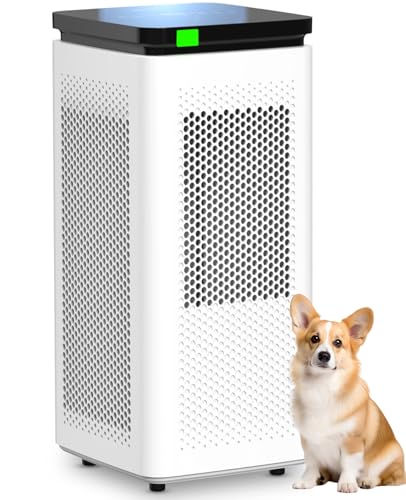
Hepa Air Purifier Review Summary
The case for this Hepa air purifier is straightforward: it combines a H13 True HEPA filter, activated carbon filtration, auto mode, and a large-room coverage claim in a package aimed at everyday use.
That makes it a fit for households that care about dust, pollen, pet hair, smoke, odors, and general indoor air quality, especially if the purifier will live in a bedroom, living room, or shared family space.
Best for buyers who want a quiet, floor-standing purifier for larger rooms and value simple, automatic operation. It is less appealing if you want a compact desktop unit, a highly premium app-driven platform, or the reassurance of a long brand track record over a more generic listing.
Review Scorecard
| Category | Score | Why it scores here |
|---|---|---|
| Filtration depth | 8/10 | H13 True HEPA plus activated carbon covers particles, smoke, and odors. |
| Room coverage | 9/10 | The listing targets up to 3500 ft² and 235 CADR, which is unusually ambitious for the class. |
| Noise and sleep use | 8/10 | 30dB sleep mode and dimmer controls are strong bedroom-friendly signs. |
| Day-to-day convenience | 8/10 | Auto mode, air-quality display, timer, and child lock reduce friction. |
| Large-room fit | 9/10 | Dual-sided airflow and floor-standing design suggest it is meant for open spaces. |
| Ownership confidence | 7/10 | Certification claims are reassuring, but the listing reads more like a spec-driven value product than a premium ecosystem. |
| Long-term practicality | 7/10 | Filter reminder and replacement guidance help, though ownership still depends on replacement filter availability. |
Key Features and Specifications of Hepa Air Purifier
This model is centered on a H13 True HEPA filter paired with an activated carbon filter.
The listing says it is intended to reduce dust, pollen, pet dander, pet hair, cigarette smoke, wildfire smoke, VOCs, odors, and everyday particulates.
That is a useful mix if you are trying to cover both particle filtration and the smell side of indoor air quality.
The performance claims are more aggressive than what many compact purifiers offer.
The listing calls out 235 CFM CADR, dual-sided airflow, and coverage of up to 3500 ft², with a note that it can clean 500 sq. ft. in 15 minutes.
In practical terms, that points to a purifier designed for large rooms rather than a small bedside unit.
Comfort and usability features are also part of the design:
- 30dB sleep mode for quieter overnight use
- Air quality display with PM2.5 feedback
- Auto mode that adjusts fan speed based on air quality
- Child lock, timer, and panel dimmer
- Floor-standing form factor for living rooms, bedrooms, offices, and shared spaces
The listing also includes certification and efficiency claims.
It says the purifier is independently tested and certified by CARB, DOE, EPA, and UL, and it is described as ENERGY STAR certified with low daily energy use in the supplied data.
Those claims are relevant because they suggest the product is meant to be run often, not just occasionally.
Two practical details matter for ownership.
First, the purifier includes a filter replacement indicator.
Second, the listing recommends replacing the filter every 3 to 4 months, depending on use and conditions, and it points buyers toward genuine replacement filters.
That is a normal maintenance burden for an air purifier, but it is still something to budget for over time.
Pros and Cons of Hepa Air Purifier
Pros
- Strong feature set for large rooms with 235 CADR, dual-sided airflow, and a high coverage claim.
- Useful filtration mix for both particles and odors thanks to HEPA plus carbon.
- Quiet sleep mode makes it easier to place in a bedroom or nursery-like setting.
- Auto mode and air-quality display reduce guesswork during daily use.
- Child lock and timer make it more practical in homes with kids or busy common areas.
Cons
- The listing is spec-heavy, so buyers have to trust manufacturer claims more than they would with a widely established purifier line.
- It is not especially compact, so it is better for floor space than for a shelf or desk.
- The value depends on replacement filter availability and ongoing maintenance.
- If you want a polished smart-home app experience, the supplied data does not show that kind of ecosystem support.
Who Should Buy Hepa Air Purifier?
Buy this if you need a purifier for a large living room, open-plan space, basement, or shared bedroom and you want a straightforward machine with automatic control.
It is also a sensible fit for pet owners, households dealing with cooking odors, smokers, or seasonal dust and pollen, because the filtration mix and airflow claims are aligned with those use cases.
It also makes sense for buyers who care about nighttime noise and want a purifier that can stay in a room without dominating it visually or aurally.
The sleep mode, dimmer, and floor-standing layout all point in that direction.
Skip it if you want a small personal purifier, a premium smart platform with extensive app features, or a brand with a more established reputation in the air-cleaner market.
If your room is small, the coverage claim is more purifier than you need.
Large-Room Air Cleaning and Everyday Use
Coverage and Airflow
The biggest selling point here is the combination of 235 CADR, dual-sided airflow, and the large coverage claim.
On paper, that puts the Hepa purifier in the category of a machine that can do more than lightly freshen the air.
It looks aimed at spaces where circulation matters as much as filtration.
Noise and Night Use
The listed 30dB sleep mode is the detail that matters most for bedrooms.
That does not guarantee silence in every fan setting, but it does suggest the purifier was designed with overnight use in mind.
The dimmer is a smart addition because bright panels are a common annoyance in dark rooms.
Control and Feedback
The PM2.5 display, air-quality monitoring, and auto mode reduce the need to manually guess fan speed.
That is especially useful in shared spaces where conditions can change throughout the day, such as cooking, vacuuming, or pet activity.
Maintenance and Daily Ownership
The filter reminder and 3-to-4-month replacement guidance are practical rather than flashy, but they matter.
Air purifiers are only convenient when they are easy to maintain, and this one at least tries to make that part visible.
The tradeoff is that the long-term experience will depend on whether replacement filters remain easy to source.
Alternatives to Hepa Air Purifier
If you want more established mainstream options, these Amazon search pages are worth comparing:
Coway is a common reference point for buyers who want a trusted air-purifier line with a strong reputation.
Levoit is worth checking if you want a popular, user-friendly option with broad Amazon availability.
Blueair is a useful alternative when you want a room-focused purifier from a more recognizable air-cleaning brand.
Is Hepa Air Purifier Worth It?
Yes, if your priority is large-room cleaning with simple controls and a quiet sleep mode. The listed feature set is coherent: HEPA filtration, carbon filtration, air-quality feedback, auto operation, and a design that looks intended for real living spaces rather than novelty use.
It is less compelling if you want a small purifier, a premium app ecosystem, or the confidence that comes from a long-standing category leader.
But for buyers who care most about coverage, odor help, and everyday convenience, this Hepa model looks like a practical candidate worth considering.