Consistent kneading can make artisan bread, pizza, pasta, and sourdough easier to prepare at home. The right machine reduces hands-on work while helping you manage hydration, batch size, and fermentation.
This roundup compares 10 dough kneading machines for artisan baking, including versatile stand mixers and dedicated dough makers with fermentation functions. Use the guide below to match capacity, controls, and cleanup needs to your baking routine.
Best 10 Dough Kneading Machines for Artisan Baking Picks for 2026
Hands-Free Fermentation Pick

- Purpose-built for bread, pizza, pasta, and sourdough dough
- 100°F fermentation with timer control
- Handles up to 1.4 kg of dough
Best For: Home bakers seeking simple, hands-free kneading and fermentation
Versatile Classic Pick
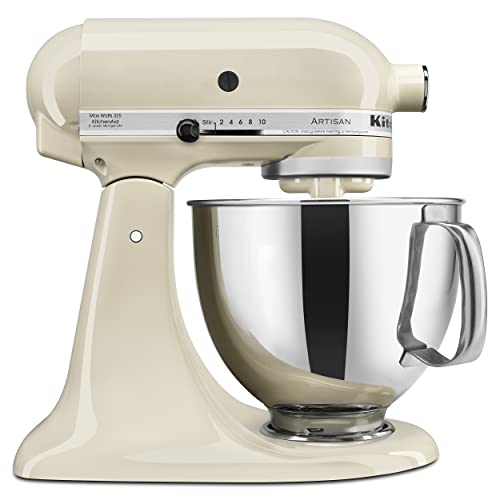
- Durable metal construction with 10 speeds
- 5-quart bowl for small or large batches
- Tilt-head design and pouring shield included
Best For: Bakers wanting a versatile stand mixer for dough and other recipes
Large-Batch Artisan Pick

- 7.4-quart bowl handles 300–2,100 grams of flour
- Constant 100°F automatic fermentation
- 250-watt motor with touch controls
Best For: Families and batch bakers making large quantities of dough
Feature-Rich Stand Mixer Pick

- 12 speeds and a 660-watt motor
- Includes dough hook, whisk, and silicone-edge beater
- 5.3-quart bowl with tilt head and splash shield
Best For: Versatile home bakers who also need dedicated dough-mixing tools
Family-Batch Fermenter

- 7.4-quart bowl for larger home batches
- Kneads and ferments in one bowl
- Intermittent kneading and suction feet
Best For: Families baking bread, pizza, sourdough, rolls, and dumplings
Versatile Artisan Mixer
Cuisinart 5.5-Quart Stand Mixer
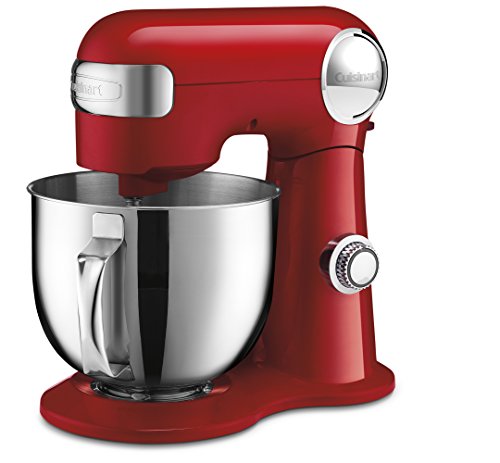
- 12 speeds with a dough hook
- Includes whisk, paddle, and splash guard
- Supports optional specialty attachments
Best For: Bakers wanting one mixer for dough and varied kitchen tasks
Digital Proofing Helper

- Kneads and ferments in one machine
- 6.9-quart bowl with 1600g flour capacity
- Digital controls, timer, and ingredient chute
Best For: Families wanting guided, larger-batch dough preparation
Hands-Free Fermentation Pick – 5.3-Qt Dough Kneader
For bakers comparing dough kneading machines for artisan baking, this purpose-built kneader emphasizes hands-free dough mixing, controlled fermentation, and family-size batches. Its 5.3-quart stainless steel bowl accommodates up to 1.4 kg of dough, while the timer and 100°F fermentation function support more consistent rising.
Best For: Home bakers and beginners making bread, pizza, pasta, or sourdough with less manual kneading.
Pros:
- Designed specifically for dough kneading rather than general-purpose mixing.
- Built-in timer and fermentation function can heat dough to 100°F.
- 304 stainless steel bowl and removable S-shaped kneading blade.
- Low-speed, high-torque motor is designed for quieter operation.
Cons:
- Its 1.4-kg dough capacity is smaller than the largest machine in this roundup.
- At 150 watts, it is focused on dough kneading rather than broad stand-mixer versatility.
This is a practical choice when consistent fermentation and hands-free kneading matter more than multiple attachments or highly versatile mixing functions.
Versatile Classic Pick – KitchenAid Artisan 5-Qt Mixer
Among dough kneading machines for artisan baking, the KitchenAid Artisan stands out as a multipurpose option rather than a dedicated dough-only appliance. Its 5-quart stainless steel bowl, 10 speeds, tilt-head access, and durable metal construction support dough preparation alongside other baking tasks.
Best For: Bakers who want one established stand mixer for dough, cookies, whipping, and general recipe preparation.
Pros:
- Durable metal construction with 10 speed settings.
- 5-quart bowl handles small or large batches, including up to nine dozen cookies under the stated conditions.
- Tilt-head design improves access when adding ingredients or changing attachments.
- Dishwasher-safe bowl and a pouring shield are included.
Cons:
- It does not list a dedicated fermentation function.
- It is a general-purpose stand mixer, so dough kneading requires using the appropriate attachment.
Choose this model if artisan dough is part of a broader baking routine and you value speed control, bowl access, and general mixing flexibility over automated fermentation.
Large-Batch Artisan Pick – Saker 7.4-Qt Dough Maker
For larger households evaluating dough kneading machines for artisan baking, the Saker Dough Maker combines a 7.4-quart stainless steel bowl with automatic kneading and constant-temperature fermentation. It accepts 300 to 2,100 grams of flour and uses a 250-watt motor for bread, pizza, noodle, pastry, and sourdough dough.
Best For: Families and batch bakers who need a generous capacity and one-touch fermentation.
Pros:
- Large 7.4-quart bowl supports batches using 300–2,100 grams of flour.
- Maintains a stated 100°F fermentation temperature after kneading.
- 250-watt motor is designed for several dough and baking applications.
- Transparent lid, feeding window, touch controls, and removable stainless steel bowl improve usability.
Cons:
- Its 65 dB noise rating may not be as quiet as a specialized low-noise design.
- The larger 14-by-14-by-13.5-inch footprint requires more counter space.
The Saker is the capacity-focused option here, especially useful when preparing family-size dough batches and reducing the need to monitor fermentation manually.
Feature-Rich Stand Mixer Pick – Martha Stewart 5.3-Qt Mixer
This Martha Stewart model is a capable alternative for shoppers comparing dough kneading machines for artisan baking with general-purpose stand mixers. Its 5.3-quart stainless steel bowl, 12 speeds, dough hook, and 660-watt motor provide control for thick doughs as well as cakes, cookies, and whipped mixtures.
Best For: Bakers who want a compact, versatile stand mixer with dedicated dough and other baking attachments.
Pros:
- Includes a dough hook, whisk, and flat beater with silicone edge.
- 12 speed settings provide control from gentle folding to thicker doughs.
- 5.3-quart bowl handles large batches, including up to nine dozen cookies as stated.
- Tilt-head access, splash shield, and dishwasher-safe BPA-free accessories simplify use and cleanup.
Cons:
- It does not list an automatic fermentation function.
- The supplied dimensions are relatively tall and deep, so counter space should be checked.
This model suits bakers who want dough-hook capability without giving up attachments for cakes, cookies, and whipping, while its heavy-duty base helps keep mixing controlled.
Family-Batch Fermenter – 7.4Qt Dough Maker
For bakers comparing dough kneading machines for artisan baking, this 7.4-quart model is built around larger homemade batches. It combines mixing, kneading, and fermentation in one stainless steel bowl, with intermittent kneading cycles intended to give dough brief rests during processing.
Best For: Families making larger batches of bread, pizza dough, sourdough, rolls, or dumplings.
Pros:
- Large 7.4-quart capacity suits family-size dough batches.
- Combines kneading and fermentation to reduce bowl transfers.
- Intermittent kneading may help limit heat buildup during mixing.
- Suction feet help stabilize the machine with heavier dough.
Cons:
- The 250-watt motor is specified for household use rather than commercial-scale baking.
- Its larger footprint may require dedicated counter space.
Choose this machine when batch size and integrated proofing matter most. The stainless steel bowl and stable base add practical appeal for frequent home baking, especially when hand kneading large quantities is tiring.
Versatile Artisan Mixer – Cuisinart 5.5-Quart Stand Mixer
Among dough kneading machines for artisan baking, the Cuisinart SM-50R is a conventional stand mixer with a 5.5-quart stainless steel bowl, 12 speeds, and a dedicated dough hook. It also includes a whisk, flat paddle, and splash guard for broader kitchen use beyond bread dough.
Best For: Home bakers who want one stand mixer for dough, batters, whipping, and other everyday preparations.
Pros:
- Five-and-a-half-quart bowl handles typical home baking tasks.
- Included dough hook supports bread and other dough preparation.
- Twelve speeds provide control across different mixing jobs.
- Optional attachments can expand it for pasta, ice cream, grinding, or spiralizing.
Cons:
- It does not include a built-in fermentation function.
- At 17 pounds, it is relatively heavy to move around the counter.
- The listed 110-watt detail may make motor specifications worth verifying before purchase.
This is the better fit for a multi-purpose kitchen rather than a dedicated kneading-and-proofing appliance. Its accessory bundle and speed range make it useful when artisan dough is only one part of your baking routine.
Digital Proofing Helper – VEVOR 6.9Qt Dough Mixer
This VEVOR model is a practical option among dough kneading machines for artisan baking, pairing a 250-watt, 150-RPM mixing system with constant-temperature fermentation. Its 6.9-quart stainless steel bowl, timer, and digital control panel are aimed at convenient everyday dough preparation.
Best For: Families preparing bread, pizza, sourdough, steamed buns, or dumpling wrappers in larger home batches.
Pros:
- 6.9-quart bowl accommodates up to 1600g of flour according to the supplied notes.
- Combines dough mixing and fermentation in one appliance.
- Detachable ingredient chute allows additions without stopping the machine.
- Digital controls and timer simplify routine preparation.
Cons:
- Its 250-watt motor is intended for household dough preparation.
- The ABS body may feel less substantial than an all-metal stand mixer.
- Fermentation and kneading add functions that may be unnecessary for simple mixing needs.
Consider this VEVOR when guided operation and built-in proofing are priorities. The ingredient chute and timer are especially useful for repeatable home workflows, while the capacity fits larger family baking sessions.
Best All-Around Fermentation Mixer – 7.4Qt Dough Maker
For bakers comparing dough kneading machines for artisan baking, this 7.4-quart model combines kneading with automatic fermentation. Its 250-watt motor handles bread, pizza, dumpling, cookie, and cake preparations, while the temperature-controlled ferment function supports more consistent proofing.
Best For: Families and home bakers who want large batches plus built-in fermentation.
Pros:
- 7.4-quart stainless steel bowl accommodates 300g to 2100g of flour per batch.
- Automatic fermentation maintains 77–100°F after kneading.
- Transparent lid and top window make monitoring and adding ingredients convenient.
- Dishwasher-safe bowl and silicone noise-reduction pad support easier cleanup and quieter operation.
Cons:
- The 250-watt motor and single listed speed may be less versatile than higher-powered, multi-speed mixers.
- Its larger capacity may be more than occasional small-batch bakers need.
This is a practical choice when proofing matters as much as mixing. The generous bowl and fermentation setting suit regular bread and pizza production, while the viewing features make the workflow easier to monitor.
Best for Large Family Batches – 7.4Qt Electric Dough Mixer
This 7.4-quart dough mixer is a straightforward option among dough kneading machines for artisan baking, with a stainless steel bowl, 250-watt motor, and constant-temperature fermentation. Its top window lets you add water, seasoning, or other ingredients without stopping the machine.
Best For: Large households and frequent bakers preparing multiple bread, pizza, or pastry batches.
Pros:
- 7.4-quart capacity is designed for large-family or gathering-sized preparations.
- Constant-temperature fermentation helps create a stable proofing environment.
- Top ingredient window allows adjustments during mixing.
- Stainless steel construction and dishwasher-friendly cleaning design support regular use.
Cons:
- Only one speed is listed, limiting control over different mixing stages.
- The product is designed to work intermittently to help prevent overheating, so it may not suit uninterrupted mixing expectations.
Choose this model if capacity and convenient ingredient additions are priorities. It offers useful fermentation support and a durable stainless steel build, though its single-speed operation keeps the controls relatively simple.
Best for Hand-Kneading Simulation – AIZIYO DoughChief 7.4Qt
For artisan-style home baking, the AIZIYO DoughChief stands out among dough kneading machines for artisan baking with a mix-pause-mix program intended to simulate hand kneading. It also combines mixing and proofing in a 7.4-quart stainless steel system suited to bread, pizza, pasta, and sourdough workflows.
Best For: Home bakers who want hand-kneading-style dough development and integrated proofing.
Pros:
- Mix-pause-mix programming is designed to encourage softer, chewier, more elastic dough.
- Three modes—Mix, Ferment, and Mix & Ferment—support different preparation routines.
- Built-in fermentation maintains 77–100°F for a stable proofing environment.
- Removable 304 stainless steel bowl, lid, and dishwasher-safe parts simplify cleanup.
Cons:
- Only one speed is listed, so manual speed adjustment is limited.
- The ferment function requires yeast or fermentation powder.
- Its listed noise level is 75 dB, which may not feel especially quiet in every kitchen.
This is the most technique-focused option of the three, particularly for bakers who value a hand-kneading simulation. Its 3-in-1 modes and stable proofing temperature add flexibility, while the single-speed design keeps operation simple.
How We Picked the Best Dough Kneading Machines for Artisan Baking
We focused on the features that matter most when mixing and developing dough: usable capacity, motor and speed control, kneading attachments, fermentation capability, bowl construction, controls, and cleanup. The selection includes traditional tilt-head stand mixers as well as dedicated electric dough makers, so different baking styles and budgets are represented.
Capacity claims can vary by dough type. Dense whole-wheat or low-hydration dough places more strain on a machine than enriched or wetter dough, so treat maximum dough weight as a limit rather than a target for every recipe.
Quick Comparison
| Best for | Look for | Products in this roundup |
|---|---|---|
| Everyday versatility | Multiple speeds and accessory compatibility | KitchenAid, Cuisinart, Martha Stewart |
| Bread-focused baking | Large bowl, dough hook, slow kneading control | Dedicated 5.3- to 7.4-quart dough makers |
| Hands-off fermentation | Built-in ferment function and covered bowl | Saker, VEVOR, DoughChief, and similar models |
| Large batches | Higher stated capacity and stable housing | 7.4-quart dough makers |
Key Buying Factors for Dough Kneading Machines for Artisan Baking
Capacity and Batch Size
Choose based on the amount of flour and dough you make regularly, not just the bowl’s advertised volume. A 5-quart mixer may suit weekly loaves and pizza dough, while a 7.4-quart model can be more practical for multiple loaves or larger family batches.
Kneading Performance and Controls
Look for a dedicated dough hook, low-speed control, and a motor or drive system designed for dense mixtures. Several speed settings are useful for combining ingredients gradually and adjusting gluten development without overworking the dough.
Fermentation Features
A built-in fermentation function can provide convenient temperature-controlled proofing and reduce the need for a separate warm space. Confirm how the function is operated, whether the bowl is covered, and whether your preferred dough temperature falls within its range.
Cleanup, Stability, and Accessories
Stainless steel bowls are durable and generally easy to clean. Removable lids, splash guards, dishwasher-safe attachments, and accessible controls can make frequent use less frustrating. A heavier base is also valuable because dense dough can cause lighter machines to move during kneading.
Who Should Buy Which Dough Kneading Machines for Artisan Baking?
Choose a traditional stand mixer if you want one appliance for dough, cakes, whipped mixtures, and other recipes. KitchenAid, Cuisinart, and Martha Stewart models are the more natural fit for multipurpose kitchens.
Choose a dedicated dough maker if bread, pizza, noodles, or sourdough is your main focus. These machines often prioritize larger dough capacity and may include fermentation functions, making them attractive for frequent bakers.
Choose a 7.4-quart model for regular large batches, but verify the recommended dough limit and available counter space first. For occasional baking or smaller kitchens, a 5.3- to 5.5-quart machine may be easier to store and control.