If you use a CPAP at home, the right backup power source can make the difference between a restful night and a disrupted one. The best options balance battery capacity, clean AC output, quiet operation, and enough efficiency to handle overnight use.
This roundup highlights portable power stations that are practical for CPAP backup, home outages, and travel-friendly emergency power, with a focus on value, runtime, and ease of use.
Best 10 Home Portable Power Station for CPAP Picks for 2026
Multi-Night CPAP Backup
EASYLONGER ES960 PRO CPAP Battery Backup

- 297.6Wh LiFePO4 battery
- 2+ nights for CPAP without humidifier/heated tube
- Includes 4 CPAP cables and 100W USB-C
Best For: Dedicated CPAP backup, camping, and emergency use
High-Capacity Home Backup

- 1,070Wh LiFePO4 battery
- 1,500W AC output with pure sine wave
- 1-hour fast charge via app
Best For: CPAP backup plus broader home and RV power needs
Compact Budget Runner
EnginStar Portable Power Station
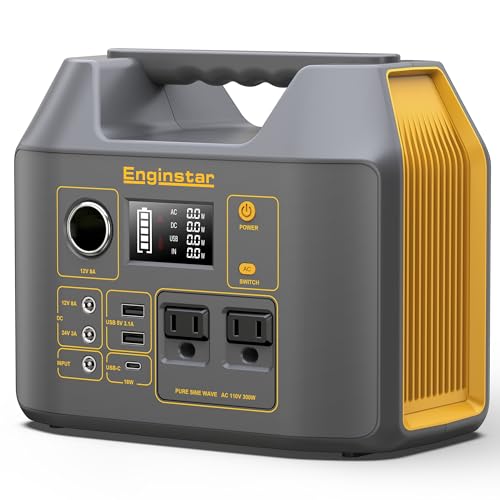
- 296Wh portable battery pack
- Two pure sine wave AC outlets
- Only 6.5 lb with wall, solar, and car charging
Best For: Light CPAP backup and budget-friendly travel power
UPS-Ready Outage Pick
LIBRIDS Portable Power Station C600

- 10ms UPS for CPAP and routers
- 640Wh LiFePO4 battery with pure sine wave output
- 1.5-hour fast charging and 8 total ports
Best For: Seamless home outage backup for CPAP
Ultra-Light Backup Pick
Jackery Explorer 300 Portable Power Station

- 292Wh capacity with 300W output
- 7.5 lb design with carry handle
- LiFePO4 battery rated for 4,000+ cycles
Best For: Light backup and portable CPAP-friendly power
Value-Focused CPAP Backup
ENOFLO 300W Portable Power Station

- 228Wh battery with 300W output
- Pure sine wave AC outlets
- Charges up to 9 devices at once
Best For: Budget backup power for CPAP and small devices
Fast-Charge Compact Choice
Anker SOLIX C300 Portable Power Station

- 288Wh LiFePO4 battery with 300W output
- Charges to 80% in 50 minutes
- Quiet 25dB operation with 8 ports
Best For: Fast-charging compact backup for CPAP and essentials
Fast-Charge Mid-Range Pick
DARAN 600W 288Wh LiFePO4 Power Station

- 600W output with 1200W surge
- LiFePO4 battery with 3500+ cycles
- 80% recharge in about 2 hours
Best For: compact CPAP backup with faster charging and stronger output
UPS-Ready Home Backup
BLUETTI Elite 30 V2 600W Power Station

- 10ms UPS mode for outage protection
- 600W output with 1500W power lifting
- 288Wh LiFePO4 battery and 9 ports
Best For: home CPAP backup with UPS-style protection
Multi-Night CPAP Backup – EASYLONGER ES960 PRO CPAP Battery Backup
If you want a home portable power station for CPAP use that is also built for travel, the EASYLONGER ES960 PRO is a strong battery-first option. Its 297.6Wh LiFePO4 pack is designed for multi-night CPAP runtime without a humidifier or heated tube, and it also adds flexible outputs for phones, laptops, and other low-draw devices.
Best For: CPAP users who want a dedicated backup battery for overnight power, camping, and emergency outages.
Pros:
- 297.6Wh capacity is rated for 2+ nights of CPAP use without humidifier or heated tube, depending on settings
- Supports 12V, 19V, and 24V output and includes 4 cables for common CPAP models
- LiFePO4 battery is rated for 3000+ cycles for long-term durability
- Includes 6 output ports and 100W USB-C for other devices under 180W
Cons:
- Not TSA-approved for air travel because the capacity exceeds the 160Wh limit
- Runtime varies by CPAP settings and is reduced when using humidifier or heated tube
- Wall charging takes about 5 hours, and solar panel is not included
This is the most CPAP-focused option in the group, especially if your priority is reliable overnight backup rather than whole-home appliance power. It’s practical for outages, RV use, and camping when you need a compact unit with the right DC cables already included.
High-Capacity Home Backup – Jackery Explorer 1000 v2
For shoppers comparing a home portable power station for CPAP against a larger all-purpose unit, the Jackery Explorer 1000 v2 is built more like a full-featured power station. With 1,070Wh of LiFePO4 storage, pure sine wave AC output, and multiple ports, it can handle CPAP backup while also serving as a broader emergency power source.
Best For: Users who want a larger portable power station that can support CPAP plus other household or camping gear.
Pros:
- 1,070Wh capacity gives substantial reserve power for CPAP and other devices
- 1,500W AC output with 3,000W surge peak supports a wide range of appliances
- Fast charging can reach 100% in about 1 hour with emergency charging enabled in the app
- LiFePO4 battery is rated for over 4,000 cycles and more than 10 years of use
Cons:
- Heavier and larger than compact CPAP-specific battery backups at 23.8 lbs
- Solar charging works only with Jackery solar panels
- Some advanced charging features require app setup
This is the most versatile pick if CPAP backup is only one part of your needs. It makes the most sense for home outages, RV trips, and users who want a single unit that can power more than just a medical device.
Compact Budget Runner – EnginStar Portable Power Station
If you need a compact home portable power station for CPAP on a tighter budget, the EnginStar 300W model keeps things simple. Its 296Wh battery, pure sine wave AC outlets, and lightweight build make it a practical pick for short trips, light backup, or occasional CPAP use without extra bulk.
Best For: Budget-conscious buyers who want a small, portable battery backup for CPAP and basic travel use.
Pros:
- 296Wh capacity is enough for weekend camping or light emergency backup use
- Two pure sine wave AC outlets help protect sensitive electronics
- Very portable at 6.5 lb with a compact body size
- Multiple charging options include wall, solar, and car charging
Cons:
- 300W output limits what it can power compared with larger stations
- Best suited to smaller devices rather than high-demand appliances
- Solar panel is sold separately
This unit makes sense if portability and price matter more than high output. For CPAP users with modest power needs, it offers a straightforward way to keep essentials running without stepping up to a larger station.
UPS-Ready Outage Pick – LIBRIDS Portable Power Station C600
For a home portable power station for CPAP that is especially useful during outages, the LIBRIDS C600 stands out for its built-in 10ms UPS function. That fast switchover helps keep CPAP machines, WiFi routers, and other essentials running when the power cuts out, while the 640Wh LiFePO4 battery and pure sine wave output add everyday utility.
Best For: Home users who want seamless outage backup for CPAP and other critical devices.
Pros:
- 10ms UPS mode automatically switches to battery power during outages
- 640Wh LiFePO4 battery with 600W output and 1200W surge support
- Four AC outlets and 8 total ports make it easy to power multiple devices
- 1.5-hour AC charging is very fast for a unit in this class
Cons:
- 600W output is solid for essentials but not for larger appliances
- Indoor use guidance means you should avoid wet or humid outdoor conditions
- Heavier-duty outdoor exposure is not the focus of this design
This is a strong choice if your main concern is keeping sleep therapy uninterrupted during short outages. The UPS feature gives it an edge for home backup setups where quick transfer time matters.
Ultra-Light Backup Pick – Jackery Explorer 300 Portable Power Station
If you’re shopping for a home portable power station for CPAP use, the Jackery Explorer 300 is a compact 292Wh option that also works well for travel and backup needs. Its 300W output, pure battery-powered design, and multiple charging ports make it a practical choice for light emergency power and small-device charging.
Best For: Campers and backup-power users who want a lightweight station for CPAP-friendly overnight use and small electronics.
Pros:
- 292Wh capacity with 300W rated output and 600W peak surge
- Very light at 7.5 lbs with an integrated carry handle
- Six device connections including AC, USB-C, USB-A, and car port
- LiFePO4 battery is rated for over 4,000 charge cycles
Cons:
- 300W output is limited for higher-demand appliances
- Solar panel is optional, not included
- Best suited to smaller loads rather than whole-home backup
For buyers prioritizing portability and long service life, this Jackery is a strong fit. It balances weight, capacity, and device support well, though it is clearly aimed at modest power needs rather than heavy-duty home backup.
Value-Focused CPAP Backup – ENOFLO 300W Portable Power Station
For a home portable power station for CPAP and everyday emergency use, the ENOFLO 300W offers a useful mix of capacity, outlet variety, and simple recharge options. Its 228Wh battery and pure sine wave AC outlets make it suited to powering small essentials without adding much bulk.
Best For: Budget-minded buyers who want a compact backup station for CPAP, small electronics, and short outages.
Pros:
- 228Wh capacity with 300W rated output and 600W surge
- Pure sine wave AC outlets for sensitive devices
- Can charge up to 9 devices at once
- Built-in MPPT controller for solar recharging
Cons:
- Lower capacity than some competing 300W units
- Solar panel is sold separately
- Best for light-duty backup rather than extended appliance use
This ENOFLO model stands out for flexible charging and a wide mix of ports in a compact body. If you want a straightforward CPAP backup option with basic emergency coverage, it delivers the essentials without overcomplicating the setup.
Fast-Charge Compact Choice – Anker SOLIX C300 Portable Power Station
The Anker SOLIX C300 is a compact home portable power station for CPAP users who want fast recharging and a modern feature set. With 288Wh of LiFePO4 capacity, 300W output, and multiple USB-C ports, it is designed to handle small essentials while staying easy to carry.
Best For: Users who want a compact, quiet backup station with very fast wall charging and strong USB-C support.
Pros:
- 288Wh LiFePO4 battery with 300W output and 600W surge
- Recharges to 80% in just 50 minutes from a wall outlet
- Quiet operation at 25dB from 3.3 ft away
- Eight versatile ports including dual 140W USB-C outputs
Cons:
- Solar panel compatibility is limited to recommended Anker models
- Strap is sold separately
- 300W output still limits larger home appliances
Among compact options, this Anker is especially appealing if recharge speed matters most. It combines quiet operation, long-life battery chemistry, and a practical port layout that suits backup charging for everyday essentials.
Ultra-Light Budget Backup – BailiBatt 300W 266Wh Portable Power Station
If you want a home portable power station for CPAP use without carrying a heavy unit, this BailiBatt model is a practical compact option. Its 300W pure sine wave AC output and 266Wh capacity make it suited for small essentials, emergency lighting, and low-wattage devices when the power goes out.
Best For: Light-duty CPAP backup, campers, and households that want a small, easy-to-store emergency power source.
Pros:
- Pure sine wave AC output is better suited for sensitive electronics like CPAP machines and laptops.
- 7 output ports let you power multiple small devices at once.
- Very light at 6.5 lb, so it is easy to move, pack, or store.
- Includes a clear LCD display and built-in LED light with SOS mode.
Cons:
- 300W output limits it to smaller appliances and devices under its rated load.
- 266Wh capacity is modest for longer outages or extended CPAP runtime.
- Best suited to light backup use rather than whole-room or high-draw needs.
Overall, this is a straightforward pick if portability and basic CPAP-ready backup matter more than raw capacity. It is compact, clean-power capable, and easy to keep on hand for outages or weekend travel.
Fast-Charge Mid-Range Pick – DARAN 600W 288Wh LiFePO4 Power Station
For buyers comparing a home portable power station for CPAP and small appliances, this DARAN unit stands out for its 600W output and fast recharge time. It combines a 288Wh LiFePO4 battery with multiple AC and USB ports, making it a useful grab-and-go backup for storms, RV use, or everyday emergency readiness.
Best For: Users who want a compact power station with stronger output and quick recharging for CPAP and small devices.
Pros:
- 600W output with 1200W surge handles more demanding small appliances than many entry-level units.
- LiFePO4 battery is rated for 3500+ cycles and includes 12 safety protections.
- Recharges to 80% in about 2 hours via AC, with solar plus AC combo support.
- Six-port layout includes two AC outlets, USB-C PD60W, and USB-A ports.
Cons:
- 288Wh capacity is still relatively small for longer runtimes.
- Car charging cable and solar panel are not included.
- At 8.3 lb, it is portable but not as light as the smallest models.
This is a solid middle-ground option if you need more output headroom without moving up to a much larger system. The fast recharge and LiFePO4 battery make it especially appealing for emergency prep and short power outages.
UPS-Ready Home Backup – BLUETTI Elite 30 V2 600W Power Station
If your priority is a home portable power station for CPAP with fast switchover protection, the BLUETTI Elite 30 V2 is the most backup-focused pick here. It offers 600W continuous power, 1500W power lifting, and a 10ms UPS mode that is designed to keep critical devices running through sudden outages.
Best For: Home backup users who want UPS protection for CPAPs, routers, and other sensitive essentials.
Pros:
- 10ms UPS mode helps protect CPAPs, laptops, and routers during outages.
- 600W continuous output with 1500W power lifting adds flexibility for more devices.
- 288Wh LiFePO4 battery pairs with fast charging and multiple recharge options.
- Lightweight at 9.4 lb and includes 9 ports for broader device coverage.
Cons:
- 288Wh capacity may be limiting for longer backup sessions.
- Power lifting is useful, but continuous output remains 600W.
- More backup-oriented than a high-capacity all-night power solution.
Among these options, this BLUETTI feels the most like a true emergency backup unit rather than just a portable charger. If you want quick response time and dependable home outage protection for CPAP use, it is the strongest fit.
How We Picked These Home Portable Power Station for CPAP Options
We focused on models that make sense for CPAP users first: enough battery capacity for overnight runtime, pure sine wave AC output, efficient LiFePO4 battery chemistry where available, and a size/weight balance that works for home backup. We also considered fast charging, port variety, UPS support, and whether the unit is easy to pair with common CPAP setups.
Quick Comparison: What Matters Most
For CPAP backup, capacity is only part of the story. A smaller unit with efficient DC output may outlast a bigger AC-only model. If you need dependable home backup, look for a Home Portable Power Station for CPAP with pure sine wave power, low idle loss, and enough reserve for humidifier use or multiple nights. If you travel often, portability and charge speed may matter more than raw watt-hours.
Key Buying Factors for Home Portable Power Station for CPAP
Battery Capacity and Runtime
Match watt-hours to your machine’s actual draw. Many CPAP users can get one to several nights from a compact unit, but heated humidification, pressure settings, and mask leaks can reduce runtime quickly.
Output Type and Efficiency
Pure sine wave AC is the safest broad-compatibility choice, but DC output can be more efficient if your CPAP supports it. Less conversion loss usually means longer runtime from the same battery.
Battery Chemistry and Lifespan
LiFePO4 batteries are a strong choice for frequent use because they typically offer better cycle life and thermal stability than older lithium-ion designs.
Charging Speed and Backup Readiness
Fast recharge matters if outages are common. Pass-through charging and UPS-style switching can also be useful for keeping a CPAP or bedside devices running with minimal interruption.
Noise, Portability, and Ports
A quiet unit is important in a bedroom. Also check weight, handle design, AC outlet count, USB-C availability, and whether the layout matches your broader home and travel needs.
Who Should Buy Which Home Portable Power Station for CPAP?
If your priority is the longest possible CPAP runtime at home, choose a higher-capacity station with LiFePO4 batteries and efficient output. If you want a compact emergency backup for short outages or travel, a lighter 200–300Wh model may be the better fit. For users who want one unit to cover CPAP, phones, and small devices, a mid-range power station is often the most versatile sweet spot. The best Home Portable Power Station for CPAP is the one that fits your machine’s power draw, your expected outage length, and how often you plan to use it.